
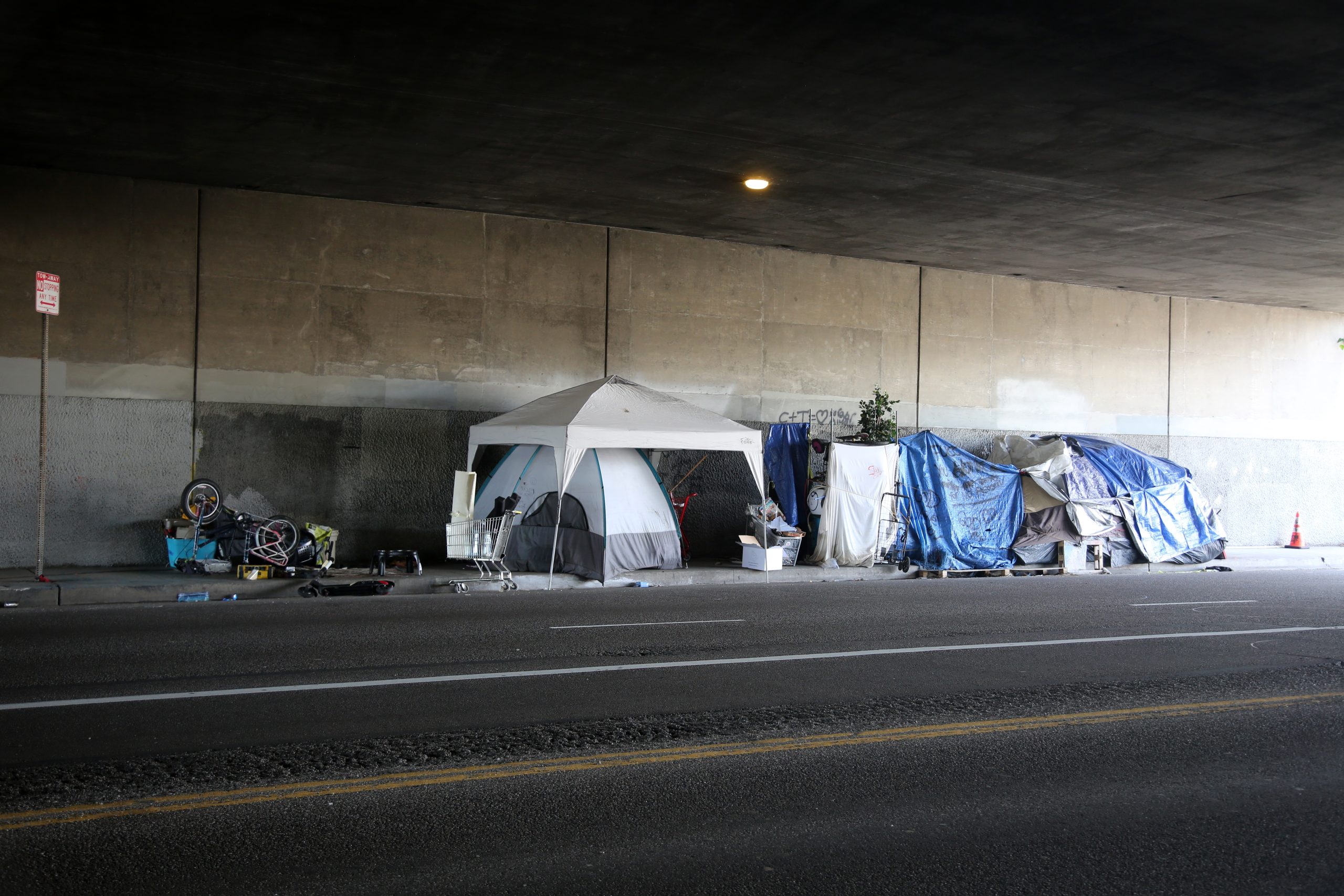
Record level of rough sleepers
The number of people sleeping rough in England is at its highest level since records began in 2010.
Some 4,793 people were estimated to be sleeping on the streets on a single night last autumn, according to the latest snapshot figures released by the government on Thursday – a 3% increase from 2024.
The number of female rough sleepers rose by 8% to 733, while there were 3,938 men and another 122 cases where the gender was not recorded.
The government said £50m of funding, provided over three years, would be provided to councils and frontline homelessness services.
London has the highest number of rough sleepers -1,277 – but the rate of rough sleeping rose steepest year-on-year in the north east of England, where numbers increased by 31% to 162.
For the past seven years in Leeds, the Homeless Street Angels charity has been providing food, shoes, sleeping bags and blankets for rough sleepers.
Each Thursday, dozens of people queue for support awaiting their arrival – and the charity says that demand is rising.
“It’s getting worse and worse, week in, week out,” the organisation’s co-founder Becky Joyce says in the cold February air.
“[There are] a lot of new faces tonight, which is quite upsetting because the more people we think we get off the streets, the more people are coming on the streets.”
They currently make 240 food boxes each week, double the amount produced three years ago, handing them out as they make their way through the city’s streets.
Less than half way round their usual route, they run out of meals.
The figures for 2025 are the highest since records began in 2010. The previous peak was in 2017.
There was a 5% rise year-on-year on the number of people born in the UK sleeping rough.
Charities say the figures are likely to underestimate the true scale of the issue, as only those sleeping rough on one single night in the autumn are counted.
Separate data published on Thursday showed the number of families living in temporary accommodation has also reached a new high.
Between July and September 2025, 134,760 households were living in hotels, B&Bs and flats – an increase of 6.9% on the same period in 2024.
Of these households, 85,730 include children.
The government has pledged to halve “long-term rough sleeping” by 2030 and prevent more households from becoming homeless in the first place.
Credit: BBC